Boston, MassachusettsBoston, MassachusettsBoston, Massachusetts
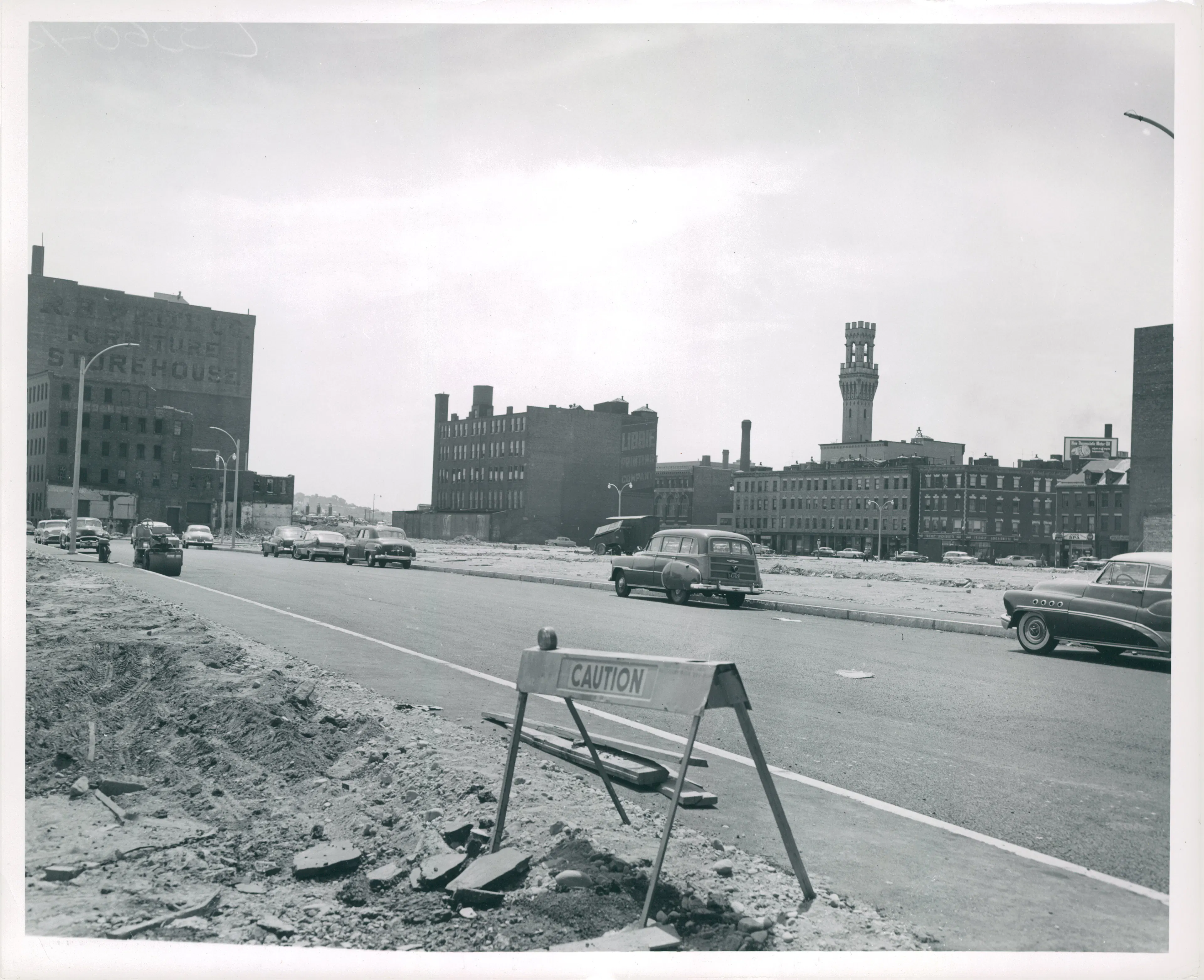
Urban renewal reshaped cities, but its effects were uneven. Chinatown, Little Syria, and the New York Streets were distinct neighborhoods with their own histories, cultures, and responses to change. Residents lived alongside one another, crossed boundaries, and shared space. What connects these neighborhoods today is how their stories have been remembered—or forgotten.
This exhibit centers the voices of people who lived, worked, and organized in these neighborhoods. Their oral histories reveal everyday life, moments of conflict, and acts of resistance that connect local experiences to broader movements in American history.
As you move through the site, you’ll encounter shared themes—like migration, interethnic encounters, law and policy, and urban renewal—told through the specific experiences of each place.
A neighborhood that faced repeated threats of displacement and responded through long-term organizing, protest, and resilience.
Explore ChinatownA working-class, multiethnic neighborhood shaped by dense housing, labor, and community networks—and later fragmented by redevelopment.
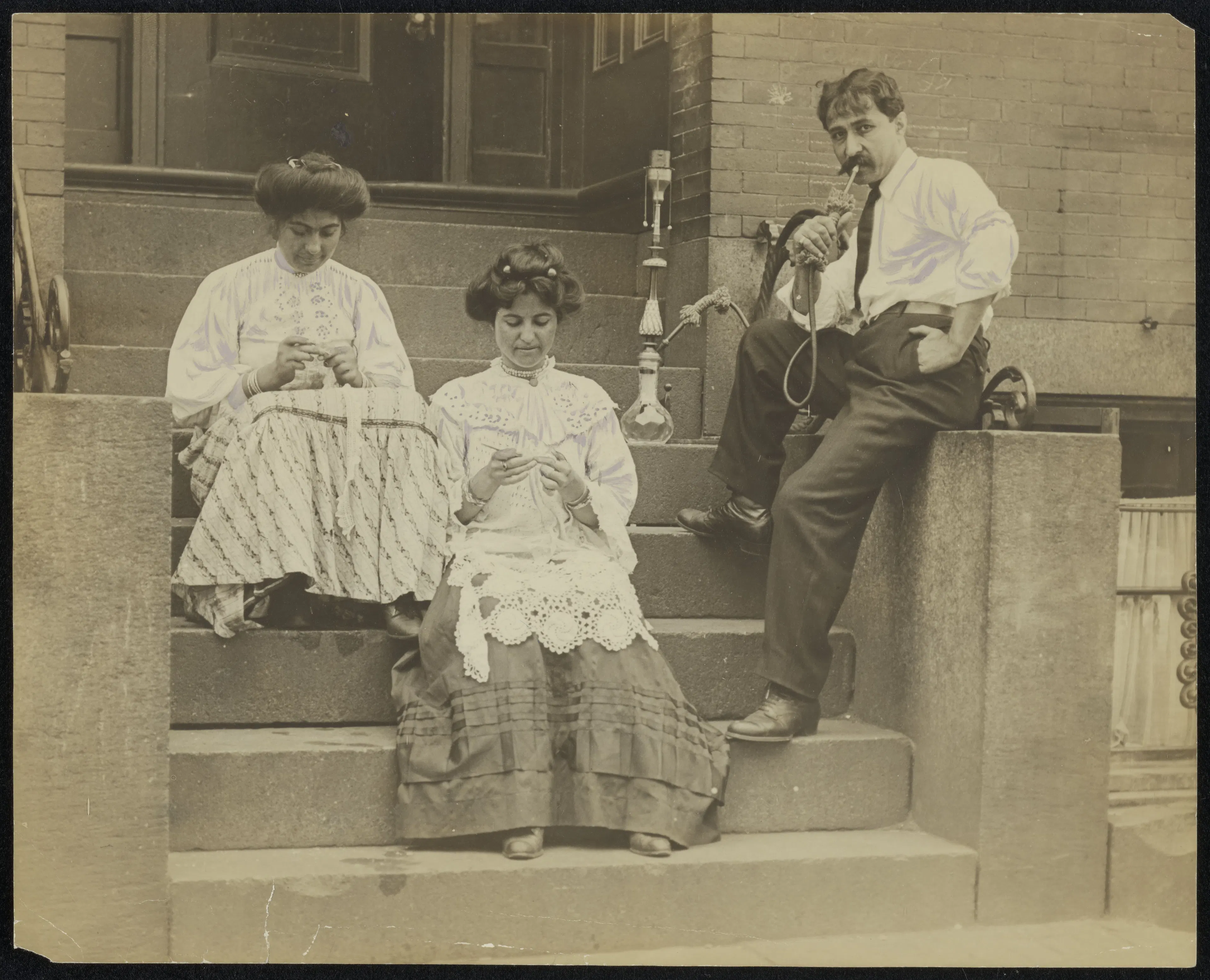
Explore New York StreetsAn ethnic enclave that became a cultural and commercial center for Arab American life, where residents resisted erasure even as some were displaced and others moved by choice.
Explore Little Syria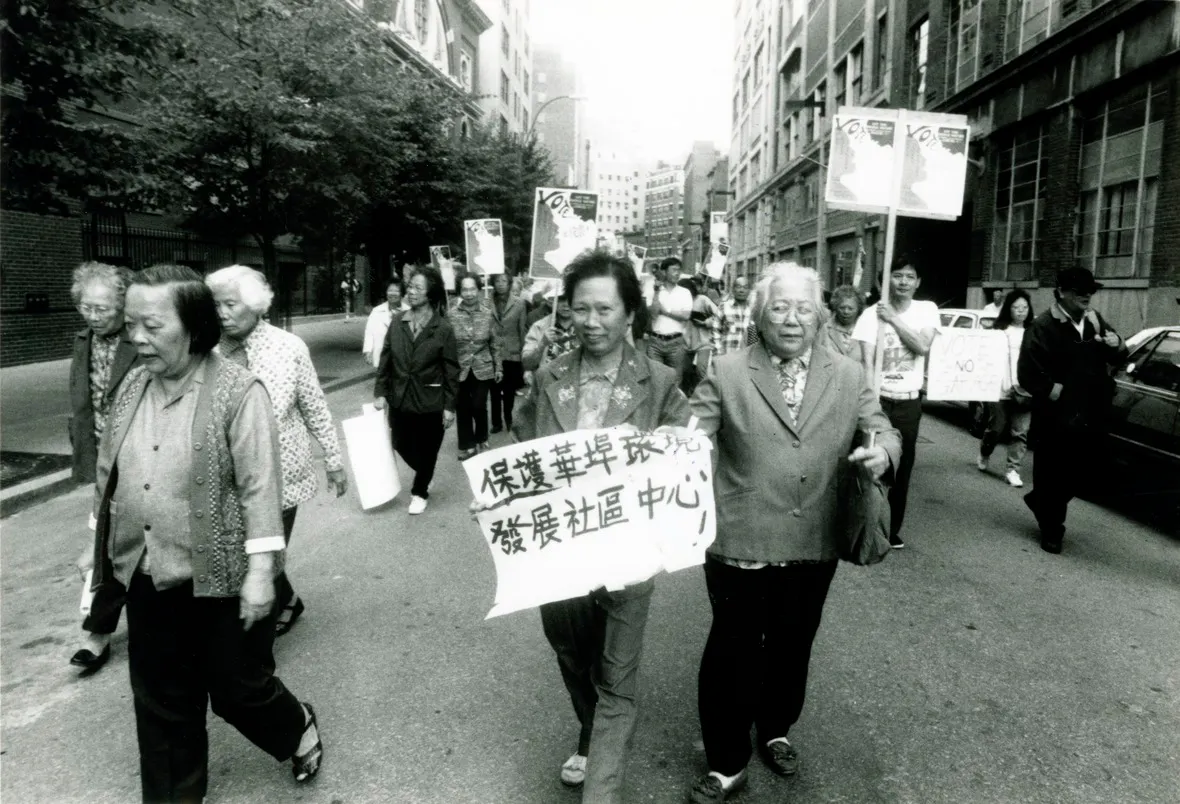
Reclaiming History is supported by the Neighborhood and Downtown Activation Grant from the Boston Mayor’s Office of Arts and Culture and the City of Boston, the Mass Cultural Council, the Culture & Community Power Fund, and Gloria & Bob Ganno.